Introducing Kahani
Your nani's stories deserve to live forever.
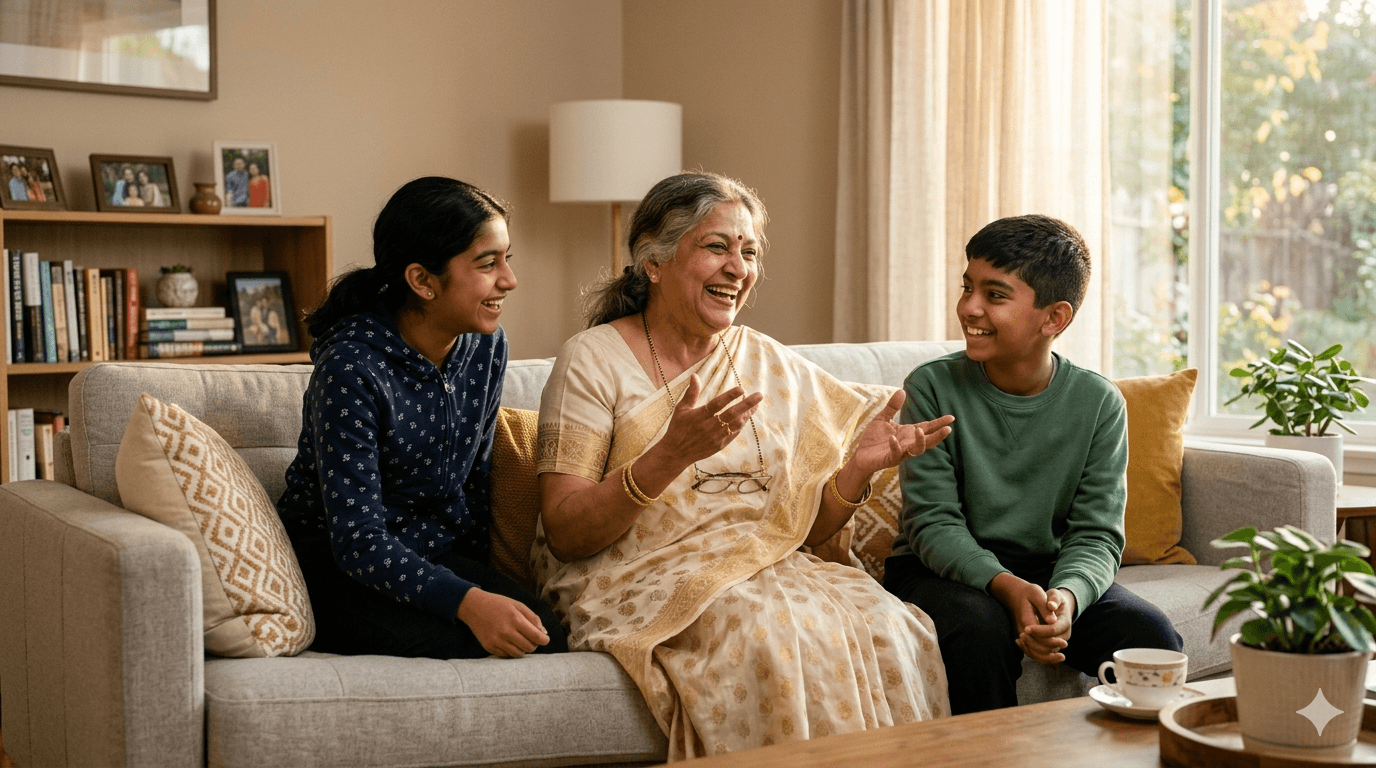
We send your loved one a question on WhatsApp. They reply with a voice note in their own language. We turn their answers into a beautifully written book, printed, bound, and made to last generations.
Their story. Their voice. Forever yours.
12+ languages
Hindi, Gujarati, Urdu & more
Voice preserved in print
12+ languages
Voice preserved in print
Why Kahani
Their stories crossed continents. They shouldn’t end with this generation.
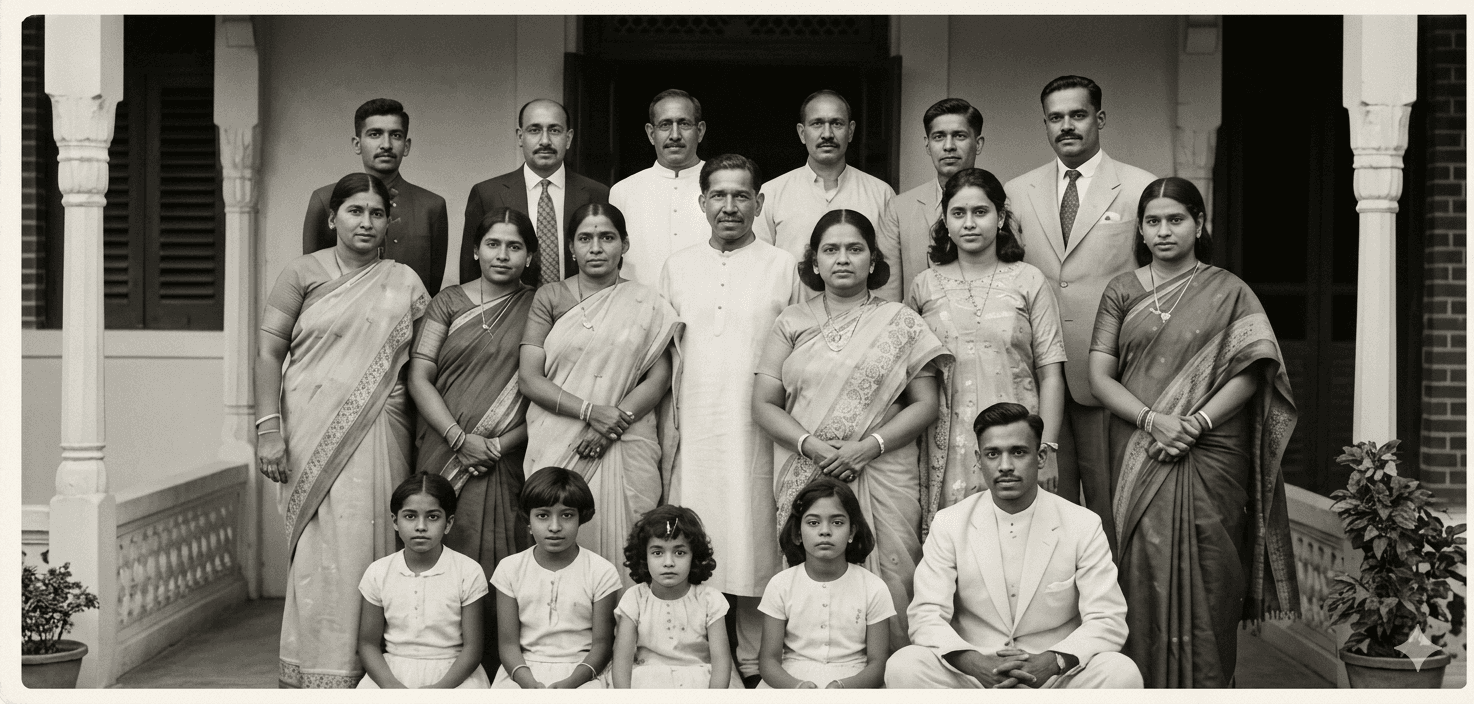
Our families carry remarkable stories. A parent who started over so their children wouldn’t have to. An uncle who built something from nothing. A sibling who broke every expectation. Most of them never get written down. We built Kahani to change that.
How It Works
Simple for them. Meaningful for you.
You Tell Us Their World
Share a little about your loved one: where they grew up, what they care about, what lights them up. We craft a personalized set of questions, and you choose the ones that matter most.
They Tell Their Story
A warm WhatsApp message arrives every few days, at a pace you choose. They reply with a voice note in their own language, or type a few lines. No new apps. No passwords. Just WhatsApp, which they already know.
Their Story Lives Forever
We weave the answers into a beautifully written narrative and bind it into a hardcover book. Each page has a QR code that plays their actual voice. Your family can add photos. The story lives on for generations.
Zero New Apps
They already know how to use WhatsApp.
No downloads. No passwords. No video calls where nobody can figure out how to unmute. Just a warm message on an app they already use, and a voice note back in their own words, in their own language. The technology stays out of the way. Their story is what matters.
- Voice notes in Hindi, Gujarati, Punjabi, Urdu, Tamil, Telugu, and more
- Questions arrive gently, a few per week, never overwhelming
- Family members can add their own questions from anywhere in the world
- No new app to download. No login. No confusion.
Dadima
online
Dadima, Anjali mentioned you landed in London with two suitcases and a baby in your arms. She said you never complained, not once. What was that time like for you?
10:32
That means so much. Thank you for sharing this with us 🙏
10:48
You mentioned your English felt shaky back then. Do you remember the moment it started to feel a little more like home?
09:15
The Book
A physical heirloom, built to last generations.
Not a photo album. Not a scrapbook. A real memoir, written in beautiful prose, with their voice woven through every page.
The First Woman in White
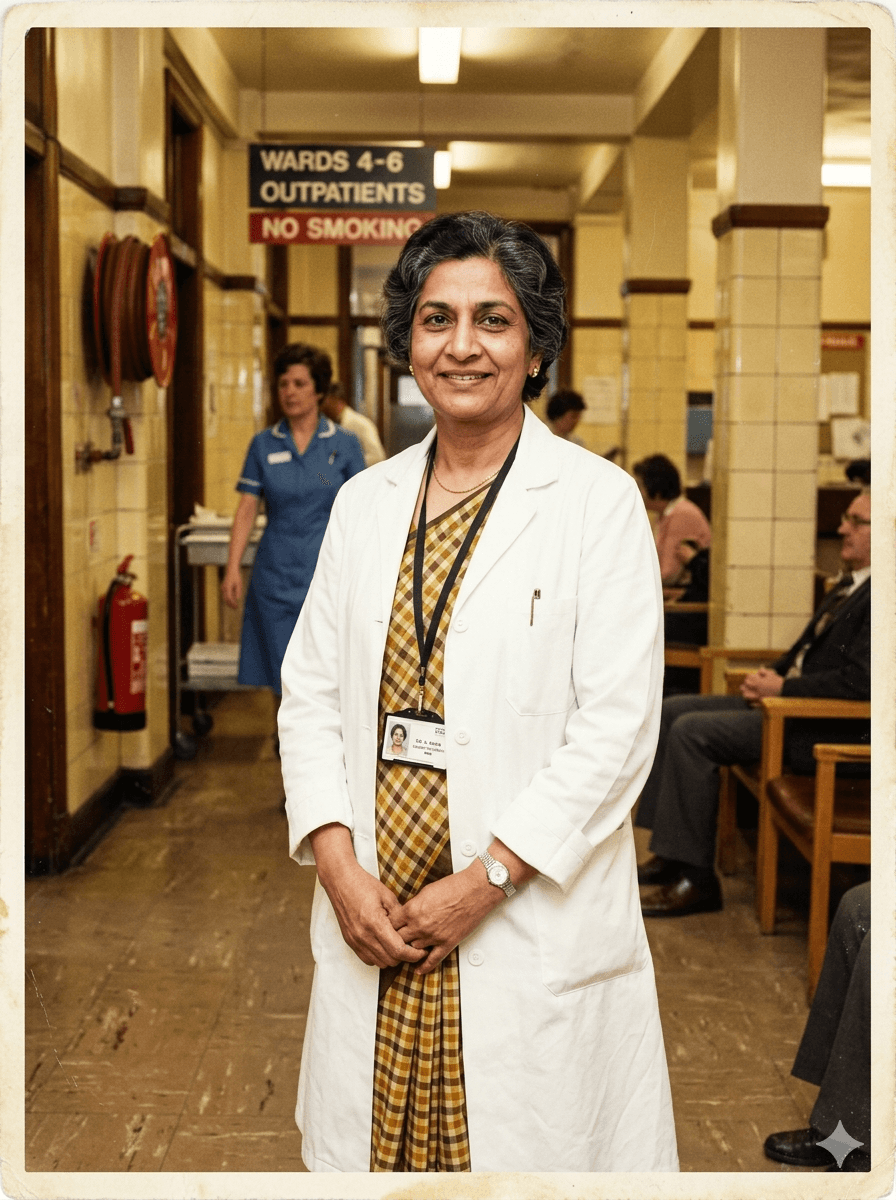
When I passed my MBBS in 1971, my mother stood outside the exam hall and wept. Not from relief — from a pride she had no words for. Nobody from our lane in Jaipur's old city had ever become a doctor. Not a man. Certainly not a woman. I came to Birmingham in 1976 with two suitcases and a specialty in paediatrics. The hospital assigned me a room above the canteen that smelled of chips. I was on call every third night for the first five years. I never complained. I spent three decades tending to children of immigrants who reminded me of myself: small, bewildered, learning to belong. When my granddaughter was born, I was in the delivery room still wearing my white coat. My patients call me Dr. Sharma. My family calls me Dadi. Both feel true.
Dr. Amrita Sharma
डॉ. अमृता शर्मा
1948–Present · Jaipur → Birmingham
The First Woman in White
When I passed my MBBS in 1971, my mother stood outside the exam hall and wept. Not from relief — from a pride she had no words for. Nobody from our lane in Jaipur's old city had ever become a doctor. Not a man. Certainly not a woman. I came to Birmingham in 1976 with two suitcases and a specialty in paediatrics. The hospital assigned me a room above the canteen that smelled of chips. I was on call every third night for the first five years. I never complained. I spent three decades tending to children of immigrants who reminded me of myself: small, bewildered, learning to belong. When my granddaughter was born, I was in the delivery room still wearing my white coat. My patients call me Dr. Sharma. My family calls me Dadi. Both feel true.
Dr. Amrita Sharma
डॉ. अमृता शर्मा
1948–Present · Jaipur → Birmingham
A Ticket and Forty Pounds
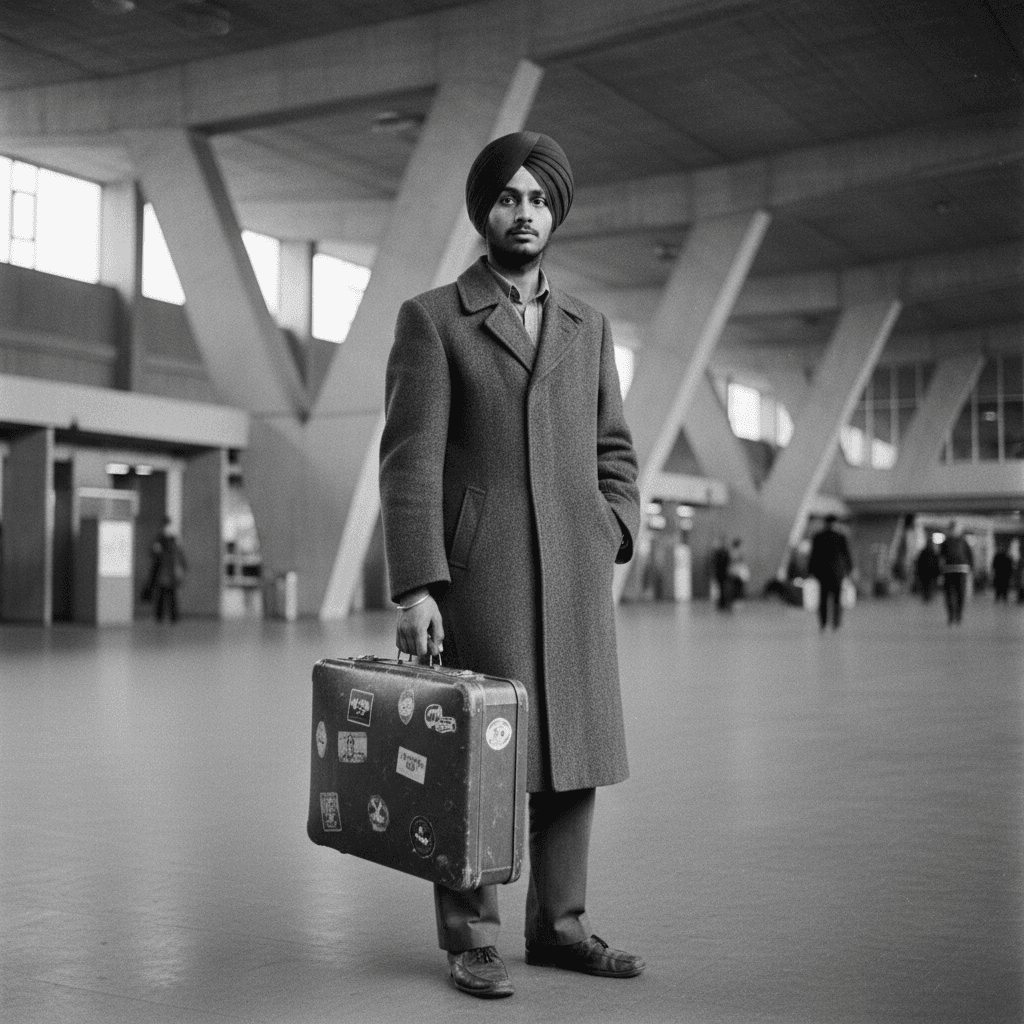
I arrived at Heathrow in November 1978 with one suitcase, forty pounds in my pocket, and the address of a cousin I had met once at a wedding. The fog that morning was so thick I could not see the terminal until I was standing inside it. I still laugh about that when I tell it at the dinner table in Southall. I had an engineering degree. My first job here was washing dishes. My second was driving a van. I never told my father. For the next ten years I did work that had nothing to do with my education, and I raised three children in a terraced house on a street where everyone's name ended in -wal or -wala. All three went to university. I attended every graduation wearing the same expression my mother had worn the morning I boarded the plane.
Ranveer Singh Dhaliwal
ਰਣਵੀਰ ਸਿੰਘ ਢਾਲੀਵਾਲ
1955–Present · Amritsar → London
A Ticket and Forty Pounds
I arrived at Heathrow in November 1978 with one suitcase, forty pounds in my pocket, and the address of a cousin I had met once at a wedding. The fog that morning was so thick I could not see the terminal until I was standing inside it. I still laugh about that when I tell it at the dinner table in Southall. I had an engineering degree. My first job here was washing dishes. My second was driving a van. I never told my father. For the next ten years I did work that had nothing to do with my education, and I raised three children in a terraced house on a street where everyone's name ended in -wal or -wala. All three went to university. I attended every graduation wearing the same expression my mother had worn the morning I boarded the plane.
Ranveer Singh Dhaliwal
ਰਣਵੀਰ ਸਿੰਘ ਢਾਲੀਵਾਲ
1955–Present · Amritsar → London
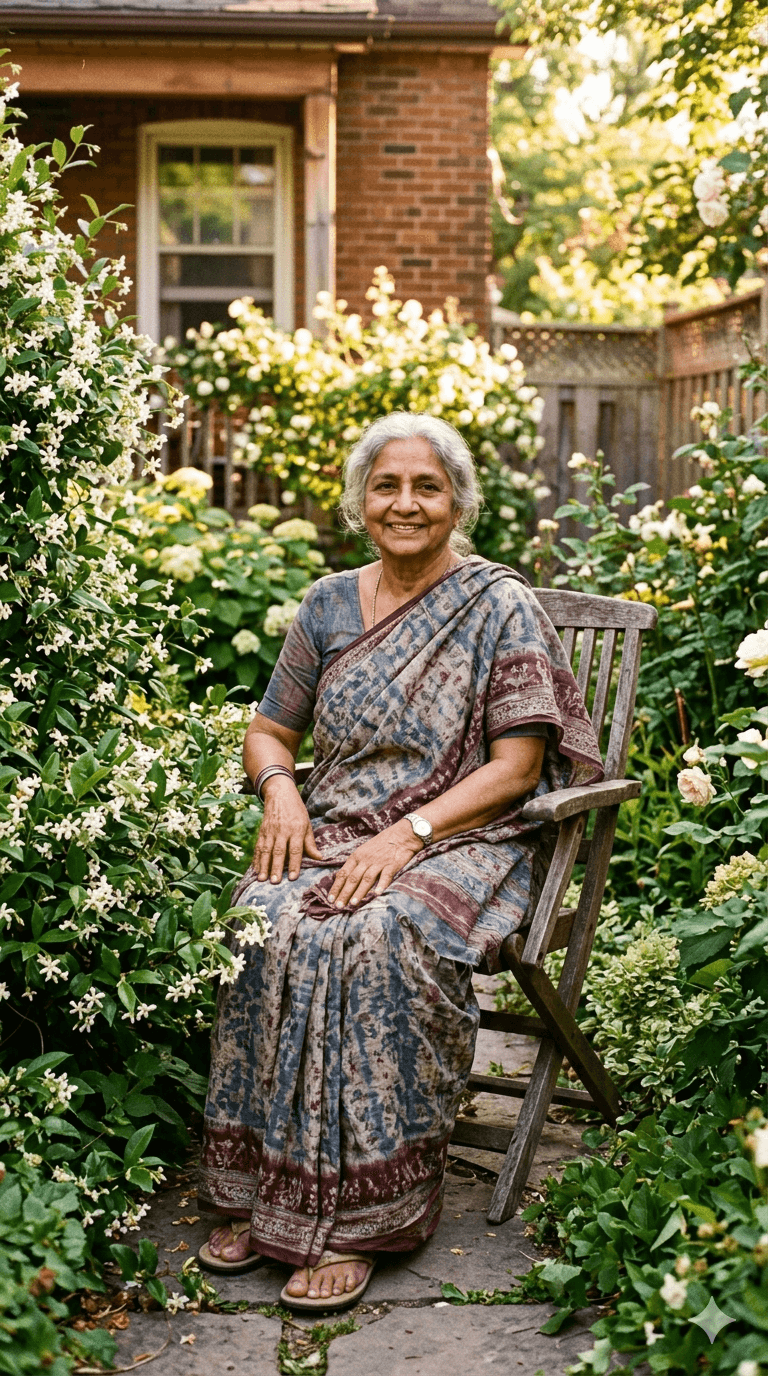
The Blue Door on Anarkali Street
I remember Lahore the way you remember a dream — vivid in parts, blurred at the edges, with a longing I cannot quite name after ninety-two years of trying. The house on Anarkali Street had a blue door. A jasmine vine that climbed all the way to the second floor. In August 1947 we left with what we could carry in two hours. A bundled quilt. My father's land papers. A small brass idol my mother refused to leave behind even as we ran. We never went back. I built a whole life in Delhi — married, had children, watched them grow — and then followed them to Toronto when my knees gave out. I still remember the smell of that jasmine like it was this morning. Some places, you carry whether you choose to or not.
Kamla Devi Mehta
कमला देवी मेहता
1932–Present · Lahore → Delhi → Toronto
The Blue Door on Anarkali Street
I remember Lahore the way you remember a dream — vivid in parts, blurred at the edges, with a longing I cannot quite name after ninety-two years of trying. The house on Anarkali Street had a blue door. A jasmine vine that climbed all the way to the second floor. In August 1947 we left with what we could carry in two hours. A bundled quilt. My father's land papers. A small brass idol my mother refused to leave behind even as we ran. We never went back. I built a whole life in Delhi — married, had children, watched them grow — and then followed them to Toronto when my knees gave out. I still remember the smell of that jasmine like it was this morning. Some places, you carry whether you choose to or not.
Kamla Devi Mehta
कमला देवी मेहता
1932–Present · Lahore → Delhi → Toronto
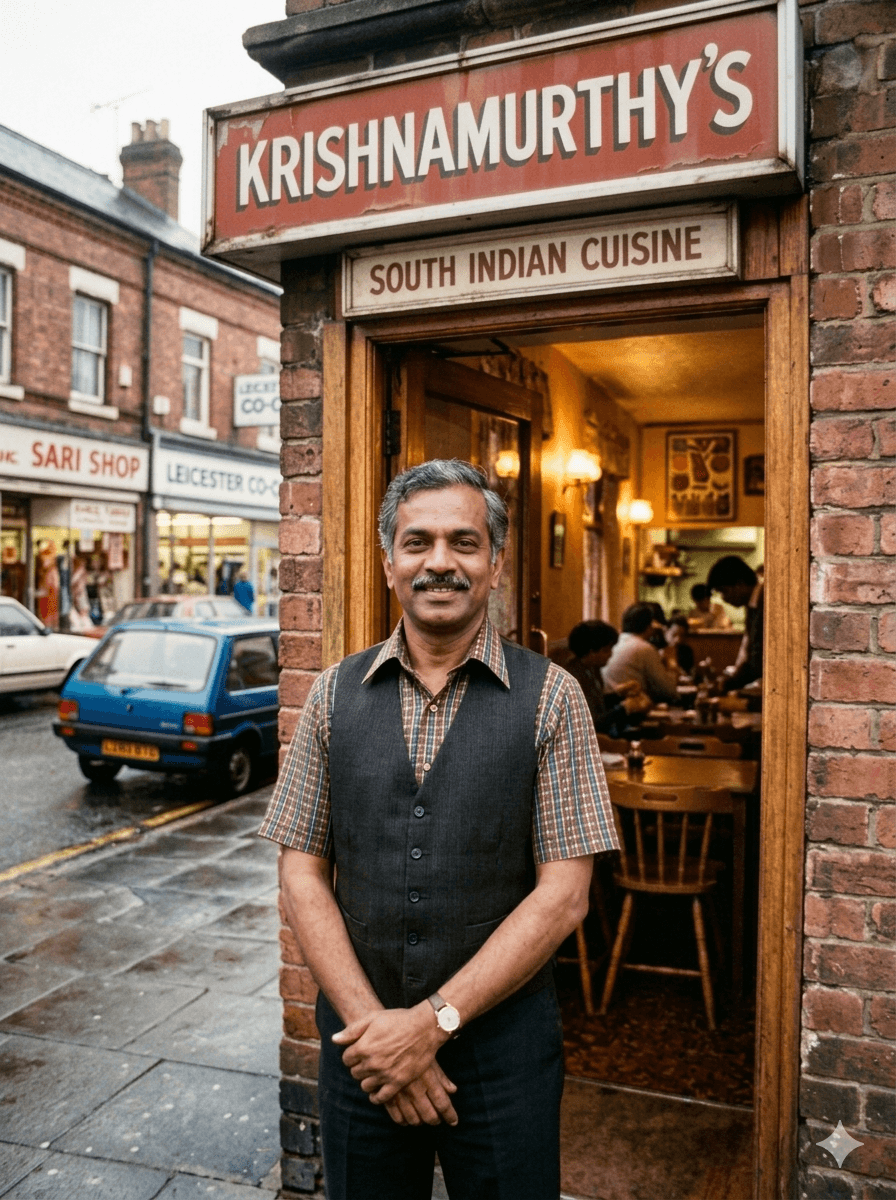
The Restaurant That Fed a City
When I opened Krishnamurthy's on Belgrave Road in 1983, I had eleven tables, one laminated menu, and genuinely no idea what I was doing. I had come via Singapore, worked three jobs to afford the lease, and slept on a mattress in the storage room for two years because I couldn't afford rent elsewhere. Within a year there was a queue out the door every Friday. Within five years we had fed three Bollywood actors, one sitting Prime Minister, and most of Leicester's South Indian diaspora on both their good days and their bad ones. I kept a photograph pinned by the till the whole time: my father's roadside idli stall in Mylapore. Two rupees a plate for thirty years. He taught me everything.
Suresh Krishnamurthy
சுரேஷ் கிருஷ்ணமூர்த்தி
1943–2019 · Chennai → Singapore → Leicester
The Restaurant That Fed a City
When I opened Krishnamurthy's on Belgrave Road in 1983, I had eleven tables, one laminated menu, and genuinely no idea what I was doing. I had come via Singapore, worked three jobs to afford the lease, and slept on a mattress in the storage room for two years because I couldn't afford rent elsewhere. Within a year there was a queue out the door every Friday. Within five years we had fed three Bollywood actors, one sitting Prime Minister, and most of Leicester's South Indian diaspora on both their good days and their bad ones. I kept a photograph pinned by the till the whole time: my father's roadside idli stall in Mylapore. Two rupees a plate for thirty years. He taught me everything.
Suresh Krishnamurthy
சுரேஷ் கிருஷ்ணமூர்த்தி
1943–2019 · Chennai → Singapore → Leicester
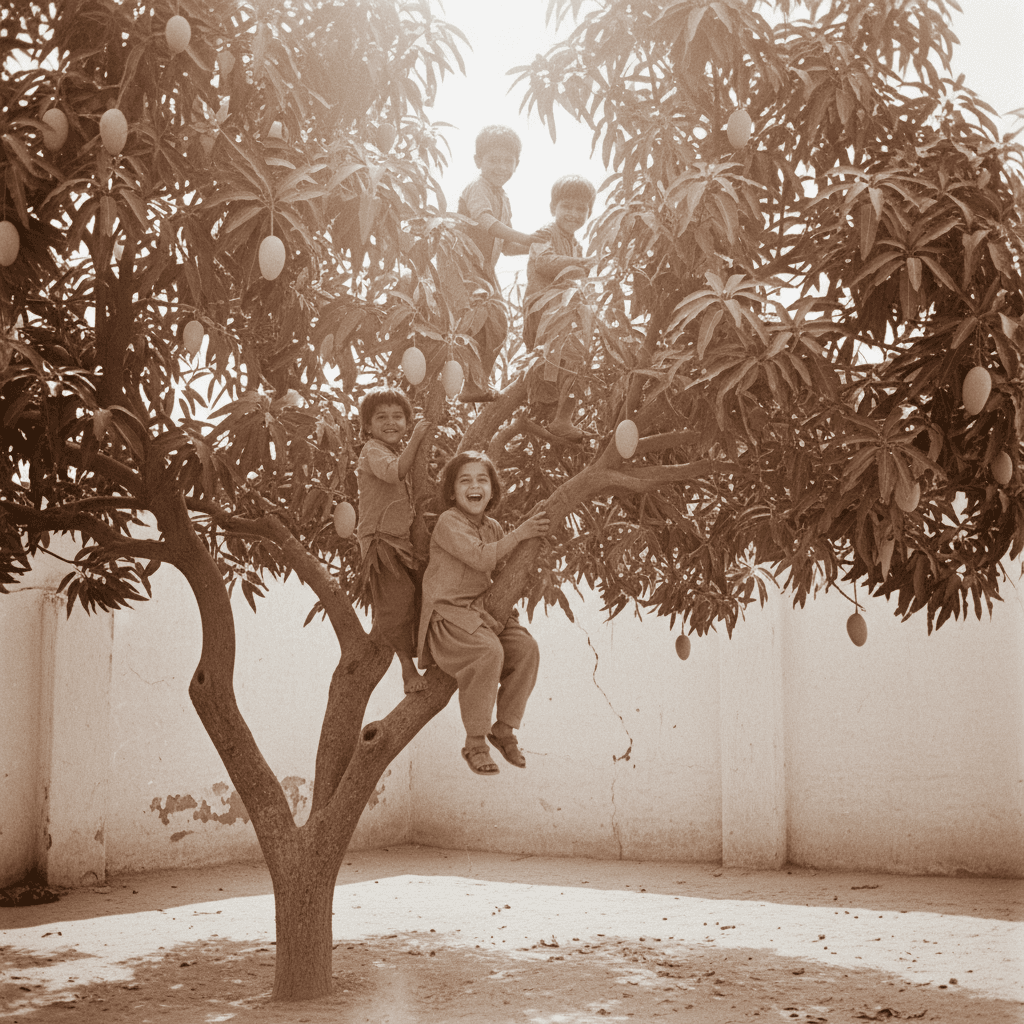
The Mango Summers
Every summer of my childhood, the mango tree in our courtyard gave more fruit than the whole neighbourhood could eat, so every summer the whole neighbourhood came. My mother would wake before dawn to make aam panna — grinding the spices in a stone mortar, humming a Lata Mangeshkar song in a voice that only that kitchen ever heard. I left Karachi in my twenties and kept that recipe in memory for forty years without ever writing it down, because some things you don't write down. I made the same aam panna in Manchester every July. Each time, for a few minutes, I was back in that courtyard. My mother was alive again. The tree was full. Nothing had changed. In my seventieth summer I finally taught my granddaughter to make it. I measured nothing. I explained everything.
Zarina Begum
زرینہ بیگم
1950–Present · Karachi → Manchester
The Mango Summers
Every summer of my childhood, the mango tree in our courtyard gave more fruit than the whole neighbourhood could eat, so every summer the whole neighbourhood came. My mother would wake before dawn to make aam panna — grinding the spices in a stone mortar, humming a Lata Mangeshkar song in a voice that only that kitchen ever heard. I left Karachi in my twenties and kept that recipe in memory for forty years without ever writing it down, because some things you don't write down. I made the same aam panna in Manchester every July. Each time, for a few minutes, I was back in that courtyard. My mother was alive again. The tree was full. Nothing had changed. In my seventieth summer I finally taught my granddaughter to make it. I measured nothing. I explained everything.
Zarina Begum
زرینہ بیگم
1950–Present · Karachi → Manchester
Help Shape Kahani
Help us build something your family will treasure.
Think about the stories in your family: the journey that brought you here, the sacrifices made, the moments that shaped who you are. Those stories deserve to be celebrated, and kept.
We’re talking to real families right now to make sure we get this right. Your thoughts, questions, and even doubts are genuinely useful to us.
- ✦No credit card. No commitment.
- ✦We read every message and respond personally.
- ✦Your feedback shapes what we build.